
Myopia: What It Is and How It Affects Long-Term Vision
Myopia is one of the most common vision concerns today, affecting people of all ages and often developing in childhood. At Nesconset Eye Care in Nesconset, NY, many patients seek clarity about what causes nearsightedness, how it progresses, and what can be done to protect long-term eye health. Understanding the nature of myopia is the first step toward managing it effectively and preserving comfortable, reliable vision.
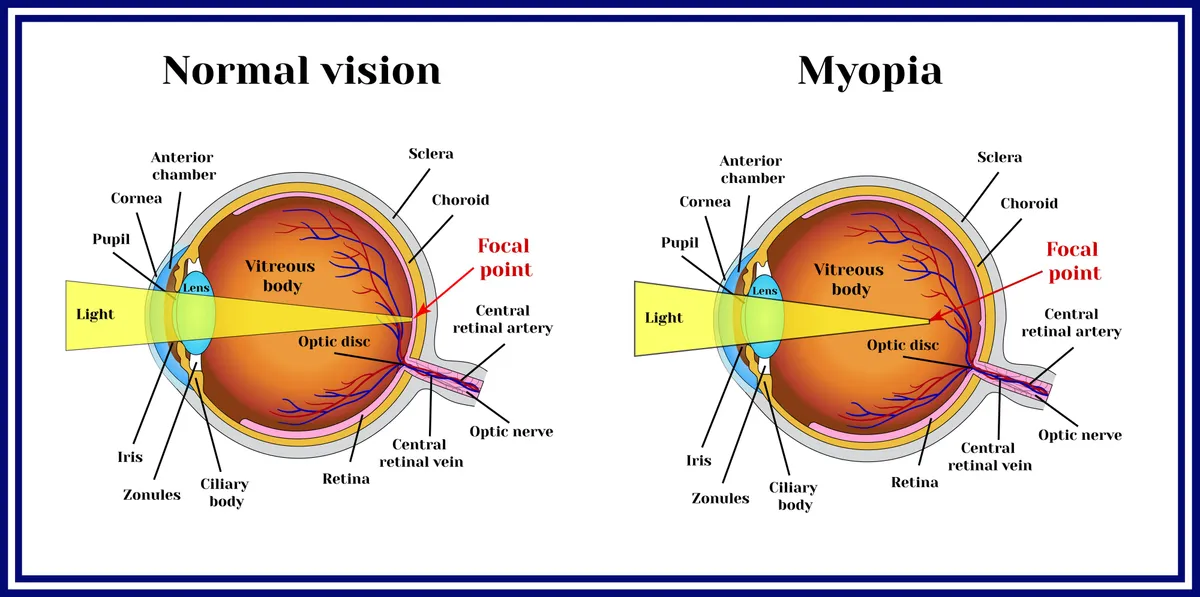
Myopia occurs when light entering the eye focuses in front of the retina rather than directly on it. This typically happens because the eyeball has grown slightly too long or the cornea has become too curved. As a result, objects at a distance appear blurry, while close-up tasks remain clear. Children may squint to see the board at school, hold screens close to their faces, or complain of headaches. Adults often notice difficulty driving at night or reading signs from far away. Even though the condition is common, early recognition is essential to support healthy visual development.
Why Myopia Is Becoming More Common
In recent years, the rise in myopia rates has been notable. Increased screen time, reduced outdoor activity, and prolonged near work may contribute to this trend. The eyes rely on a balance of close and distant focusing to stay healthy. When that balance shifts, especially during childhood, when the eyes are still developing, myopia can progress more quickly. Genetics also play a meaningful role. Children with one or both parents who are nearsighted are more likely to develop the condition themselves, making routine monitoring even more important.
How Myopia Progresses Over Time
Myopia typically develops in school-aged children and may continue to worsen through the teenage years as the eyes grow. Once the eyes reach maturity, progression often slows but does not always stop entirely. Higher levels of nearsightedness can increase the risk of long-term complications such as retinal detachment, glaucoma, or early cataracts. While these concerns can sound intimidating, proper management significantly reduces their likelihood and supports lifelong eye health. Recognizing that myopia is more than simply needing glasses can empower families to take preventive steps.
Modern Options for Managing Myopia
Today’s treatment approaches go beyond standard vision correction. Glasses and contact lenses help support clear vision in daily life, while specialized options can help slow progression in children. Regular outdoor time, frequent breaks during near tasks, and improved visual habits also offer meaningful benefits. Comprehensive eye exams provide insight into how quickly myopia may be changing and guide care decisions tailored to each individual. These visits help ensure that any adjustments to treatment are made promptly, keeping the eyes comfortable and well supported.
Nesconset Eye Care in Nesconset, NY, is dedicated to helping patients understand and manage myopia with attentive, individualized care. To schedule an appointment or learn more about protecting long-term vision, call (631) 265-6634 .